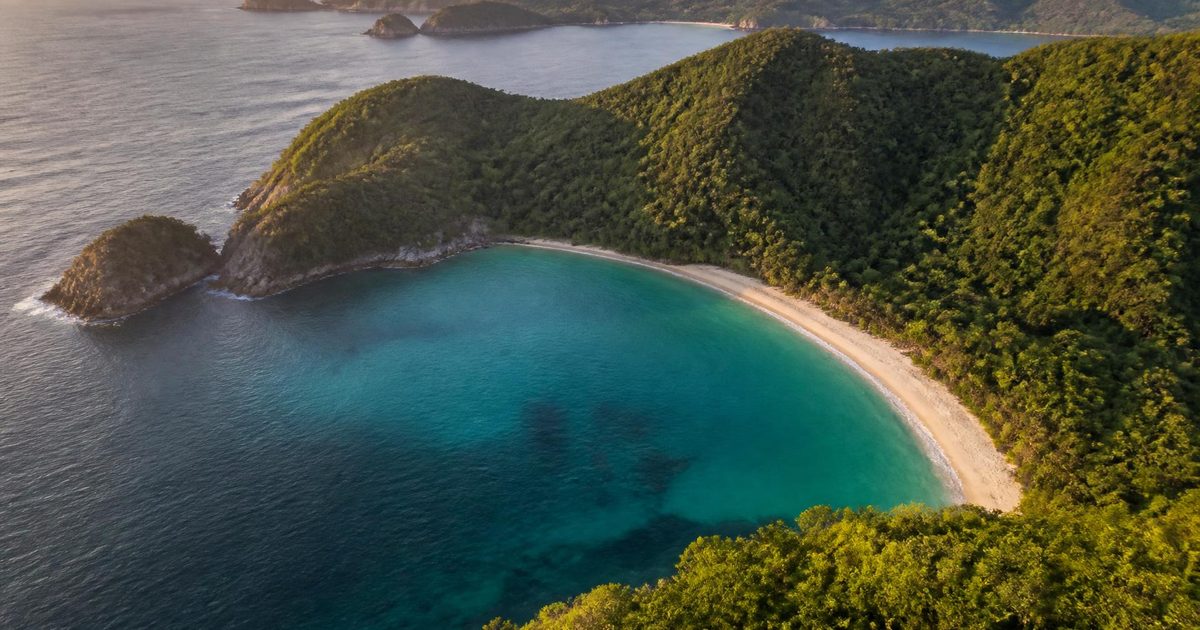
Buying in Mexico
Fideicomiso Mexico Explained: How the Bank Trust Works
October 20, 2026 · 7 min read · Vasto
In this article
In a fideicomiso, Mexico's bank trust for foreign buyers, a Mexican bank holds legal title to a home in the restricted zone, the strip within 50 km of the coast or 100 km of a border. You're the beneficiary, with the right to live in, rent, sell or leave the property to your heirs. The term is up to 50 years, renewable.
If you're an American buying near the beach, a fideicomiso in Mexico is how you'll hold the home. In 2026, SRE's permit costs MXN 21,650 (about USD 1,175), and banks add setup and annual fees that vary from one bank to another. Inland, in San Miguel de Allende or Amealco, you won't need one.
When you need a fideicomiso in Mexico
The Constitution (Art. 27) bars foreigners from holding direct title to land within 100 km of a border or 50 km of a beach. The Foreign Investment Law (Arts. 11–14) provides the trust as the way in: with an SRE permit, a Mexican bank takes title and holds it for you.
On the Oaxaca coast, the homes on our list close this way when the buyer is a foreigner:
- Huatulco. Benditas Villas de Salchi, 19 villas in pre-sale on Salchi bay, 25 minutes from the airport, and BB Residential, eight residences in Residencial Conejos with three beaches within walking distance.
- Puerto Escondido. Biaani is in El Puertecito, which belongs to Santa María Colotepec municipality rather than to San Pedro Mixtepec, Puerto Escondido's municipality. The trust works the same; the municipality sets the acquisition tax and the property-tax bill.
Inland, Americans own directly after filing a convenio de renuncia with SRE (MXN 5,250). Mexican nationals, dual citizens included, buy directly anywhere. The full purchase sequence is in how to buy property in Mexico as an American, and each coast has its own guide: buying property in Huatulco and buying property in Puerto Escondido.
How the bank trust works
Three parties appear in the trust contract:
- The trustee (fiduciario): a Mexican bank you choose. It holds title for the full term and acts on your written instructions.
- The beneficiary (fideicomisario): you. The law gives you the use and enjoyment of the property, including any income it produces, which is why renting it out is allowed.
- The settlor (fideicomitente): in a resale, usually the seller, who transfers the property to the bank at closing.
The trust is created in the purchase deed, signed before a notary. Afterward, the bank notifies SRE within 5 business days and registers the trust in the National Foreign Investment Registry (RNIE) within 40 business days.
The trust doesn't change your everyday costs as an owner. You pay predial, water and any condo fees, and Mexico taxes the rent or the gain when you rent or sell.
The 50-year term and renewal
The Foreign Investment Law (Art. 13) sets a maximum of 50 years, renewable at the beneficiary's request. You ask the bank for the extension within the 90 business days before the trust expires. A late extension carries an SRE fee of MXN 10,615 in 2026, so it's worth putting the date in your calendar the year you buy.
Beneficiaries and substitute beneficiaries
When the bank applies for the permit, it names you as the first beneficiary, plus the second-place and substitute beneficiaries (Foreign Investment Law regulations, Art. 9-III). Mexico's trust law lets you name several people to receive the benefit at the same time or one after another (LGTOC Art. 383). Successive substitutes must be alive, or conceived, when the settlor dies.
Naming them at closing can simplify what your heirs go through, because the benefit passes under the trust contract. You can change them later through the bank, which reports new designations to SRE every April. A Mexican will is still worth having for anything the trust doesn't cover.
SRE permit: cost and timing
| Item | 2026 amount | Timing |
|---|---|---|
| SRE permit for a new trust | MXN 21,648.83 (SRE lists MXN 21,650), plus MXN 596.29 for the application review | Decided within 5 business days at SRE's central offices or 30 at state offices; deemed approved if SRE doesn't answer |
| Permit validity | n/a | 180 calendar days, extendable once |
| Permit modification | MXN 9,740 + 595 | n/a |
| Late extension of the term | MXN 10,615 | On time means within 90 business days before expiry |
| Registering the trust in Oaxaca's property registry | MXN 1,642.34 (14 UMA) | At closing |
The bank files the request through SRE's online system, SIPAC27. You provide your ID and the property's details through the bank or the notary.
Bank setup and annual fees
The law doesn't regulate bank fees, and published figures differ widely. In 2026, setup typically runs USD 1,500 to 3,000 including the SRE permit, and the annual fee USD 500 to 2,000. Some banks also charge to end or transfer the trust.
Before you choose a trustee, ask each bank, through your notary, for a written fee schedule covering:
- The setup fee and what it includes (permit, review, registration).
- The annual fee, its currency and its due date.
- The cost to change beneficiaries, assign the trust or end it.
- How the bank handles rent if the income runs through the trust.
These amounts come on top of the regular closing costs, which we break down in the cost of buying property in Mexico.
Selling or transferring the trust
You have two ways to sell:
- To another foreign buyer. Depending on the bank, the buyer takes over your position in the existing trust or the bank transfers the property into a new trust for them. Ask your bank which it uses and what it charges.
- To a Mexican buyer. You instruct the bank to transfer title to the buyer, who holds it directly. That ends the trust.
Either way, the sale is signed before a notary, who calculates and pays the seller's Mexican income tax. As a non-resident you pay 25% of the gross price or, if you choose, 35% of the gain. In a sale signed before a notary, you don't need a Mexican legal representative to choose the 35% option.
If the rent runs through the trust, the bank withholds Mexican tax: 25% of gross rent for non-residents, unless you elect net taxation under the US–Mexico tax treaty. Details in taxes on Mexican property for Americans.
The Mexican corporation alternative
A Mexican company whose bylaws admit foreign shareholders can own restricted-zone property directly, but only for non-residential use, such as a hotel, timeshare or a developer's unsold inventory. It must notify SRE within 60 business days of buying (MXN 1,475 on time). For residential use inside the zone, even a company needs a trust.
A company also carries yearly obligations: registration in the RNIE, an annual economic questionnaire, Mexican accounting and tax filings, and, for US owners, possibly IRS Form 5471. For a vacation or retirement home, the fideicomiso is the usual route.
How the IRS treats a fideicomiso
In Revenue Ruling 2013-14, the IRS concluded that a Mexican land trust in which the bank only holds legal title is not a trust for US tax purposes. You're treated as the owner of the property. Most US tax professionals read this to mean you don't file the foreign-trust Forms 3520 and 3520-A for it, although the ruling doesn't name the forms.
Related points, as general information:
- Real estate held directly isn't reported on the FBAR or Form 8938. A Mexican bank account that receives rent is reportable on the FBAR once your foreign accounts total more than USD 10,000.
- Rental income goes on Schedule E. Foreign residential rentals placed in service after 2017 depreciate over 30 years.
- Mexican income tax you pay can be claimed as a foreign tax credit on Form 1116.
Have a CPA who works with Mexican property review your filings.
In Huatulco and Puerto Escondido, the trust is part of every closing we work on with foreign buyers. If you're looking at Benditas Villas de Salchi or Biaani, we can request the banks' fee schedules with you and walk you through the permit, the beneficiaries and the deed before you commit.
This guide is general information, not legal or tax advice. Confirm your case with a Mexican notary and a tax advisor.
Frequently asked questions
Sources
Updated October 20, 2026
- Ley de Inversión Extranjera (Foreign Investment Law), Arts. 10–14
- Regulations of the Foreign Investment Law (Reglamento LIE)
- SRE, permit for a trust over property in the restricted zone
- SRE, 2026 fees and processing times
- Ley General de Títulos y Operaciones de Crédito (trust law)
- IRS, Internal Revenue Bulletin 2013-26 (Rev. Rul. 2013-14)

Keep reading

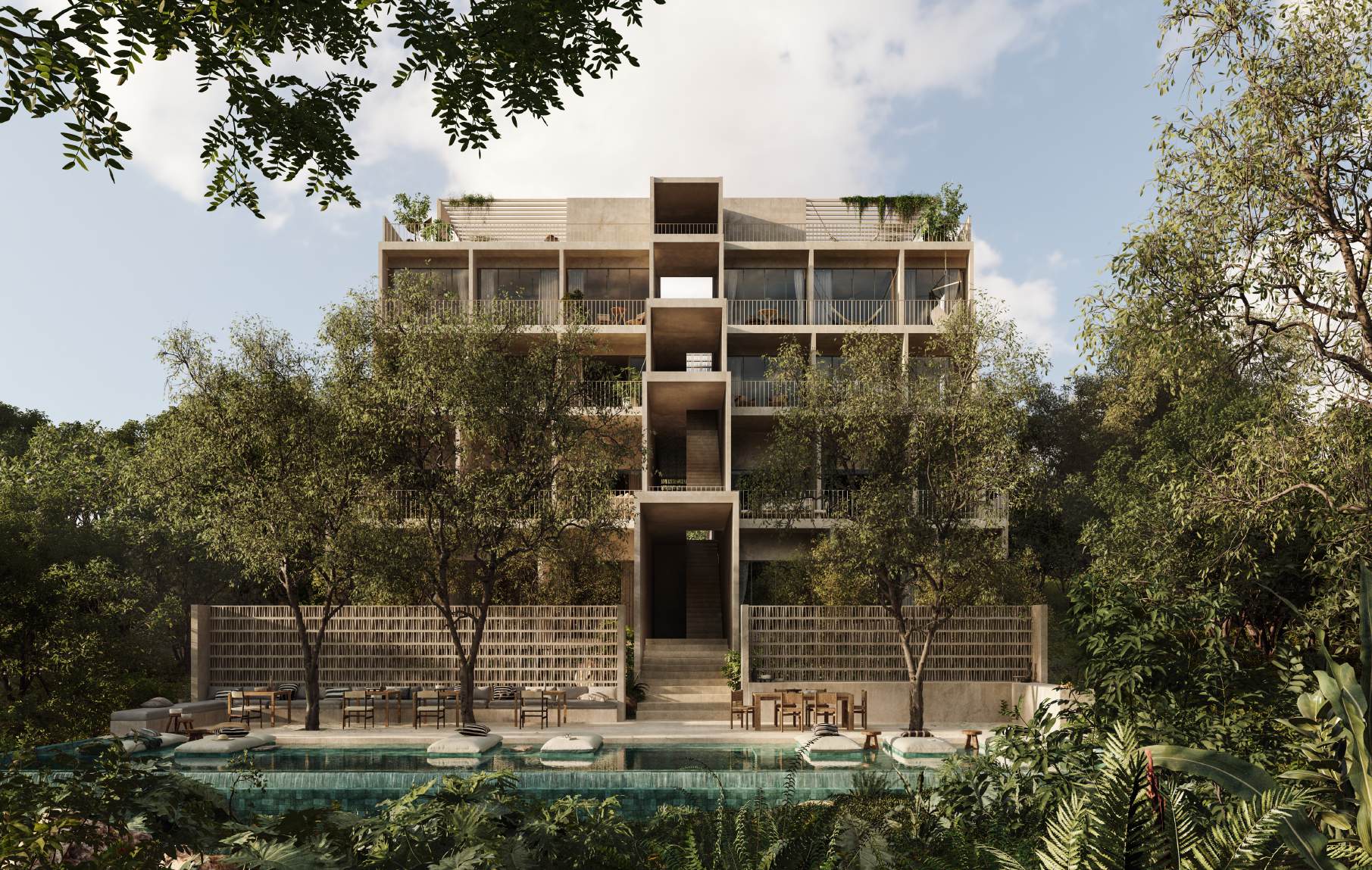
Buying in Mexico
Buying Pre-Construction in Mexico: What to Check First
Buying pre-construction in Mexico: land title, permits, the developer's record, deposit protection, payment plans, contract clauses and the final balance.
October 20, 2026 · 8 min read
Buying in Mexico
Cost of Buying Property in Mexico: 2026 Closing Costs
The cost of buying property in Mexico in 2026: acquisition tax by town, notary, registry, trust fees and yearly costs, with a USD 500,000 worked example.
October 20, 2026 · 8 min read
Buying in Mexico
How to Buy Property in Mexico as an American (2026 Guide)
How to buy property in Mexico as an American, step by step: direct title or fideicomiso, the notary, closing costs by town and the 2026 cash limit.
October 20, 2026 · 9 min read