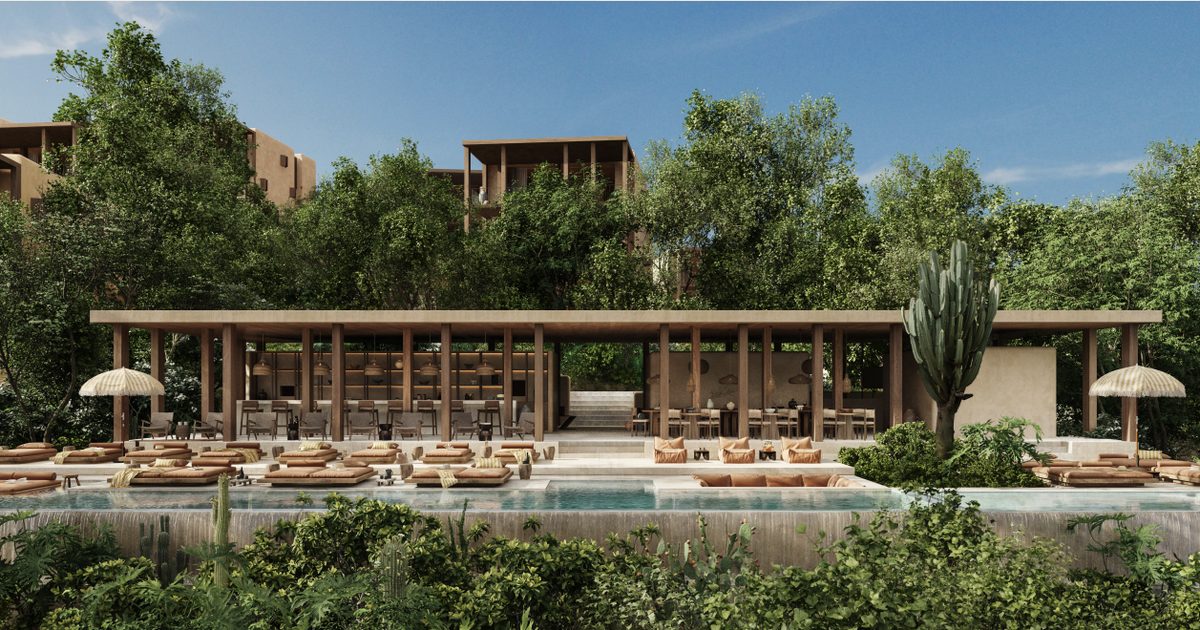
Buying in Mexico
Buying Pre-Construction in Mexico: What to Check First
October 20, 2026 · 8 min read · Vasto
In this article
Buying pre-construction in Mexico usually means paying 30% to 50% of the price while the home is built, often at 0% interest over 12 to 36 months, and the remaining 50% to 70% at delivery. You pick your unit early and spread the payments; in exchange, you pay months or years before the home exists.
That's why the checks come before the first deposit: clean title to the land, a construction license, environmental authorization on the coast, the developer's record of past deliveries, where your deposits go, and a contract registered with Mexico's consumer agency, PROFECO.
How pre-construction payment plans work
| Stage | Typical share | What to ask |
|---|---|---|
| Reservation | Often about 5% | Is it refundable, and until when? |
| Installments during construction | 25% to 45%, often at 0% over 12 to 36 months | Fixed dates or tied to construction milestones? |
| Balance at delivery | 50% to 70% | How many days after delivery notice, and in which currency? |
As an illustration, a USD 500,000 home with that structure could mean USD 25,000 to reserve, 25% over 18 months (about USD 6,900 a month) and USD 350,000 at delivery. Some developers offer a discount for paying more up front, and some offer in-house loans of 5 to 12 years at roughly 6% to 10%.
If the plan is in pesos and you earn dollars, each installment moves with the exchange rate. Over the last five years the peso ranged from 16.34 to 21.82 per dollar, so build some room into your monthly budget.
What to check before buying pre-construction in Mexico
The land
Ask for the deed to the land, recorded in the Public Registry, in the name of the company selling or of a trust it set up for the project. Ask for a current no-liens certificate. If the land is mortgaged to fund construction, the contract should say how your unit is released from that lien at delivery.
Make sure the land isn't ejido (agrarian) land. Ejido parcels can be sold only to members or residents of that ejido until they're converted to full private ownership and recorded in the Public Registry; a sale that skips those steps can be annulled. Title insurance isn't available for agrarian land.
The permits
- Land use and construction license (uso de suelo and licencia de construcción) from the municipality, covering the number of units being sold.
- Environmental authorization on the coast. Real-estate developments that affect coastal ecosystems need prior environmental impact authorization from SEMARNAT, the federal environment ministry (LGEEPA, Article 28, section IX). Ask for the resolution and its conditions, such as density and conserved area.
- Beachfront. In Huatulco, a buyer next to the federal beach zone must show that the federal zone fees are paid before the transfer is processed.
- Water and services. In Huatulco, FONATUR handed water, sewage, roads and waste collection to the state and the municipality on January 1, 2024. Ask who will supply water to the development and whether the connection is approved.
The developer's record
Visit at least one finished project and talk to owners there. Compare the delivery date they were promised with the date they got their keys, and ask whether the HOA has been handed to the owners. Check that the company on your contract is the one that owns the land and holds the permits.
Ask, too, how many units are already sold and how construction is funded: a bank loan, buyers' installments or the developer's own capital. A project that needs future sales to keep building carries more delivery risk than one with its funding in place, and a developer who answers this plainly is telling you something useful.
Where your deposits go
Deposits are often paid straight to the developer. Ask whether they go into an escrow account or an administration trust that releases money as construction advances. If they don't, your protection is the contract and the developer's solvency, which is reason enough to check the first three points closely.
A contract registered with PROFECO
Mexico's official standard for selling homes, NOM-247-SE-2021, has been enforceable since September 2022. It sets the information a seller must give you and the minimum contents of home sale contracts, pre-sale contracts included, and developers register their standard contract with PROFECO. Ask for the registration number, and compare the contract you're signing with the registered one.
Contract clauses to read twice
- Delivery date, the grace period, and what counts as delay or force majeure. On the Oaxaca coast, hurricane season runs from May 15 to November 30; Hurricane Erick made landfall as a Category 3 in June 2025 and caused damage in Puerto Escondido. Ask how storm delays are handled.
- Penalties both ways: what the developer pays per month of late delivery, and what you pay for a missed installment.
- Specifications annex: square meters, plans, materials, finishes, appliances, and the completion date of shared amenities.
- Refund terms: what happens if the project is canceled, if a permit is denied, or if you cancel, and how fast the money comes back.
- Currency and exchange rate for each payment.
- The deed: when it's signed, before which notary, and who pays closing costs.
- Assignment: whether you can transfer your contract to someone else before delivery, and at what fee.
Under the Federal Civil Code, a promise to buy must be in writing, include the essential terms and set a time limit. If a party refuses to sign the final deed, a judge can sign it, unless a good-faith third party has already acquired the property. The steps from promise contract to deed are laid out in our guide on how to buy property in Mexico as an American.
Fideicomiso timing on the coast
Within 50 km of the coast, foreigners hold property through a bank trust. The SRE permit for the trust is valid for 180 days and can be extended once, so the trust is usually set up close to delivery, when the deed is signed. During construction, your rights rest on the contract.
Ask whether the land already sits in a development trust and how your unit is identified in it. When your own trust is created, name substitute beneficiaries in it. Our fideicomiso guide explains the steps. Mexican citizens, including dual nationals, buy directly with no trust.
What you pay at delivery besides the balance
The closing costs come with the deed, not with the promise contract, so they land on the same weeks as the balance. Budget for:
- Acquisition tax, set by the municipality. In Santa María Huatulco it runs from 2.5% to 4.75% by value bracket, plus a 10% municipal surcharge. The base is the highest of the price, the fiscal value and an appraisal.
- Notary, registry and appraisal, negotiated or set by state fee laws.
- The fideicomiso, typically USD 1,500 to 3,000 to set up, SRE permit included, and USD 500 to 2,000 a year after that, depending on the bank.
- HOA dues, which usually start once the development is delivered; ask for the first-year budget.
Every installment and the balance travel by bank transfer: Mexican law bans cash payments for real estate worth MXN 941,412.75 or more in 2026, and developers report sales at that level and identify the buyer. Keep each wire confirmation and receipt; you'll need them for the deed and, years later, for the tax on a sale.
Financing the balance at delivery
Lenders don't finance a home that doesn't exist yet. MoXi, the cross-border lender we verified in October 2026, can close the balance once the developer's completion date is within 120 days; its margin floats until then. It asks for a FICO score of at least 720 and at least 35% down. A HELOC on your US home, which averaged 7.34% in mid-October 2026, is the other common route, along with cash.
Plan the balance a year ahead. If delivery slips, a rate lock can expire, and the balance comes due when the developer says, not when your financing is ready. The options are compared in can Americans get a mortgage in Mexico, and our Mexico mortgage calculator runs the balance through each one. For the market itself, see buying property in Huatulco.
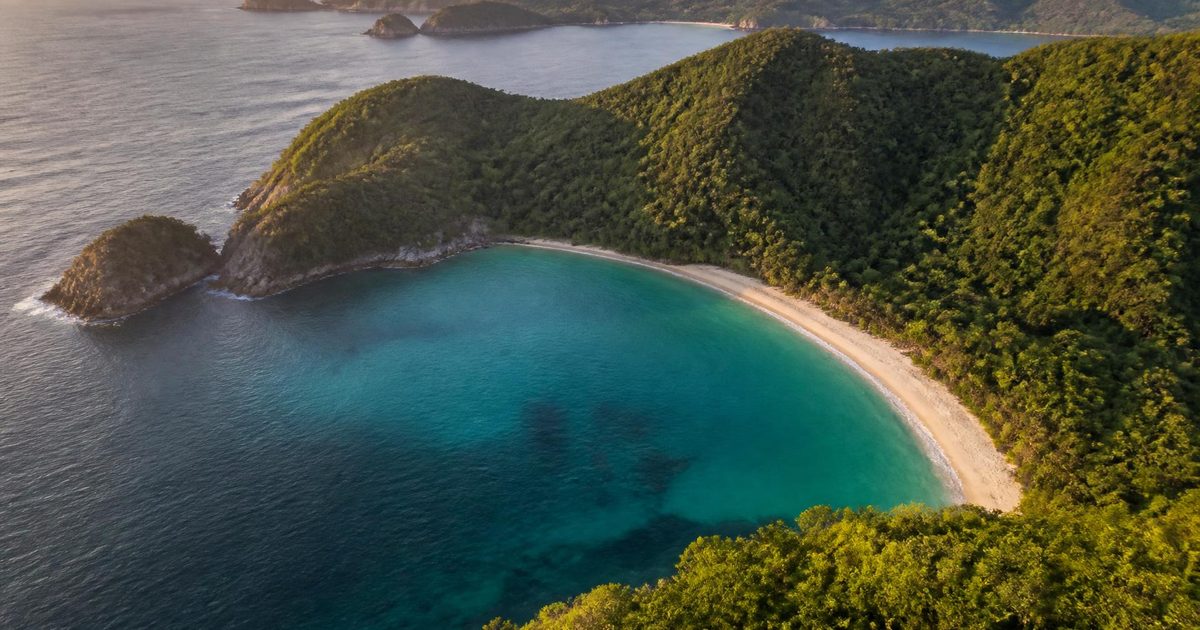
Benditas Villas de Salchi is in pre-sale: 19 villas of 415 to 418 m² on the bay of Salchi, 25 minutes from the Huatulco airport, designed by Anonimous, with 73% of the land kept as native landscape. Prices start at USD $1,000,000. If you're considering it, we can request each document in this guide, from the land title to the environmental authorization, before you place a deposit.
This guide is general information, not legal or tax advice. Confirm your case with a Mexican notary and a tax advisor.
Frequently asked questions
Sources
Updated October 20, 2026
- Secretaría de Economía, NOM-247-SE-2021 (home sale information and contracts)
- Ley General del Equilibrio Ecológico y la Protección al Ambiente (LGEEPA), Article 28
- Ley Agraria, Articles 80 to 86
- Código Civil Federal, Articles 2243 to 2247
- SRE, permit for a fideicomiso in the restricted zone
- National Hurricane Center, tropical cyclone climatology


Keep reading
Buying in Mexico
Cost of Buying Property in Mexico: 2026 Closing Costs
The cost of buying property in Mexico in 2026: acquisition tax by town, notary, registry, trust fees and yearly costs, with a USD 500,000 worked example.
October 20, 2026 · 8 min read
Buying in Mexico
Fideicomiso Mexico Explained: How the Bank Trust Works
Fideicomiso Mexico guide: how the bank trust works on the coast, the 50-year term, SRE permit, bank fees, beneficiaries, selling and the IRS view.
October 20, 2026 · 7 min read
Buying in Mexico
How to Buy Property in Mexico as an American (2026 Guide)
How to buy property in Mexico as an American, step by step: direct title or fideicomiso, the notary, closing costs by town and the 2026 cash limit.
October 20, 2026 · 9 min read