Financing
Mortgage in Mexico for Americans: Your Options in 2026
October 20, 2026 · 8 min read · Vasto
In this article
Yes, but a mortgage in Mexico for Americans rarely comes from a Mexican bank. Banks in Mexico lend to foreigners who live there with a residency card and earn income documented in Mexico. If you live and work in the US, your realistic routes are borrowing against your US home, a US-dollar loan from a cross-border lender, a developer's payment plan, seller financing, or cash.
Those routes cost very different amounts. As of October 2026, a HELOC averages 7.34% (variable), cash-out refinance offers run from about 6.75% to 7.88%, and the one cross-border lender we could verify, MoXi, quotes 10.0% to 12.4% fixed in dollars with at least 35% down. Mexican bank loans in pesos run 9.15% to 13.25% for borrowers who qualify. Most foreigners still pay cash.
Mortgage in Mexico for Americans: the options side by side
| Route | Who qualifies | Rate, Oct 2026 | Down payment | Term | Upfront loan costs |
|---|---|---|---|---|---|
| HELOC on your US home | US homeowners with equity | 7.34% average, variable | None in Mexico; your mortgage plus the line up to about 80% of your US home's value | 10-year draw + 20-year repayment | Low or none |
| Cash-out refinance | US homeowners with equity | 6.75%–7.88% fixed | None in Mexico; the new loan up to 80% of your US home's value | 30 years | 2%–5% of the new loan |
| US-dollar cross-border loan (MoXi) | US citizens and green-card holders, FICO 720+ | 10.0%–12.4% fixed | 35% (45% in Jalisco and Baja California) | 25 or 30 years | 2.99%–3.75% origination, plus appraisal and title insurance |
| Mexican bank, in pesos | Residents of Mexico with Mexican income | 9.15%–13.25% fixed | 10% bank minimum; foreigners often asked for 30%–50% | Up to 20 years | About 1% opening fee plus appraisal |
| BBVA Tu Opción México | Mexican citizens working in the US | 10.40%–10.70% fixed, in pesos | 10%–30% | 5 to 20 years | 1% opening fee plus US$175 |
| Developer payment plan | Anyone who signs the contract | Often 0% during construction; in-house loans about 6%–10% | 30%–50% during construction | 12–36 months, balance at delivery | Usually none |
| Seller financing | Negotiated case by case | About 7%–12% | 30%–50% | 3–5 years, often with a balloon | Attorney fees |
| Cash | Anyone | n/a | 100% | n/a | None |
Rates were read between October 14 and 19, 2026; sources are listed at the end. Our Mexico mortgage calculator runs one price through each route so you can compare the monthly payment and the cash you need at closing.
Borrowing against your US home
For most American buyers, this carries a lower rate than any loan secured by Mexican property, because the collateral is a house in the US. You borrow at home, wire the funds, and close in Mexico as a cash buyer.
HELOC
A home equity line of credit lets you draw what you need, when you need it. Bankrate's national average was 7.34% on October 14, 2026, roughly the prime rate (7.00%) plus a third of a point. Lenders typically cap your first mortgage plus the line at 80% of the home's value; some go to 85% or 90%. The rate is variable, and the Fed raised its benchmark on September 16, 2026, so the payment can go up.
Cash-out refinance
A new, larger first mortgage replaces the one you have, and you keep the difference in cash. Offers on October 19 ranged from 6.749% to 7.875%, with closing costs of 2% to 5% of the new loan. The catch is your current rate: if you locked 3% in 2021, a cash-out refi reprices your whole balance at today's rates. We walk through that math, and when a fixed home-equity loan fits better, in using home equity to buy property in Mexico.
Cross-border US-dollar mortgages: MoXi, as of October 2026
A cross-border lender takes the Mexican property as collateral and lends in dollars, so your US home stays out of the deal and your payment doesn't move with the peso. On October 19, 2026, only one lender published live terms we could verify: MoXi (globalmortgage.mx). Its terms that day:
- Borrowers: US citizens and US permanent residents. No Mexican residency required. Canadians aren't eligible.
- Credit: minimum FICO of 720.
- Down payment: 35%, or 45% for property in Jalisco and Baja California.
- Rate: the 3-year US Treasury yield (4.82% on October 16) plus a margin set by loan size, credit score and down payment. Its public calculator returned 10.0% to 12.4% fixed. A $500,000 vacation home with 35% down and a 780+ score priced at 10.665%–11.165% over 25 years.
- Term: 25 or 30 years, fully amortizing, with no balloon and no prepayment penalty.
- Costs: a 2.99% to 3.75% origination fee, a commercial appraisal, required title insurance, and the bank trust's setup and annual fees where a trust applies.
- Size: properties worth about $350,000 or more; loans from about $200,000 to $2.5 million.
- Pre-construction: it can close the balance once the developer's completion date is within 120 days.
MoXi's own guide still mentions rates in the "low 8s"; the calculator, which reflects what you'd be quoted, came in higher in October. Before you apply with any cross-border lender, ask how the loan is secured, which bank holds the trust, and what registration the lender holds with Mexico's banking regulator, the CNBV.
Mexican bank mortgages: residency and Mexican income first
Mexican banks do lend to foreigners, on their own terms. The bank brochures we read on October 19, 2026 share three requirements:
- Residency. Most banks require permanent residency. Santander also accepts temporary residents with two or more renewals, and Scotiabank accepts residents of any type. Tourists and non-residents don't qualify.
- Income documented in Mexico: an RFC tax ID, Mexican payroll or tax returns, or Mexican bank statements.
- Credit history with Mexico's Buró de Crédito, which most newly arrived Americans don't have yet.
If you clear those, expect more than the advertised "from" rate. Bank simulators run on October 16, 2026, with 10% down over 20 years, quoted 9.15% (Banorte) to 13.25% (Santander), with BBVA at 11.20%. Banks lend up to 90% of the value, but foreign residents are commonly asked for 30% to 50% down. Banamex's brochure lists San Miguel de Allende and Huatulco among the markets where it lends to foreigners, and it lowers the maximum loan on vacation homes.
The loan is in pesos, which matters if you earn dollars. We explain the currency math, and why peso rates sit higher, in Mexico vs. US mortgage rates.
If you're a Mexican citizen working in the US
Dual nationals and Mexican citizens with US income have one bank route we verified: BBVA México's "Tu Opción México." It lends in pesos at 10.70% fixed with up to 90% financing, or 10.40% with up to 70%, for 5 to 20 years, using US pay stubs plus a W-2 or tax transcript. You'll need a representative in Mexico to sign the deed for you.
Developer payment plans
On pre-construction, the developer often acts as the lender. A typical plan asks for 30% to 50% during construction, frequently at 0% over 12 to 36 months, with the remaining 50% to 70% due at delivery. Some developers offer in-house loans of 5 to 12 years at roughly 6% to 10%, usually without a credit check.
The balance at delivery is the part to plan for. You'll pay it with cash, a HELOC, or a cross-border loan that closes at completion. The risks are late delivery and the developer's solvency, so read buying pre-construction property in Mexico before you sign.
Seller financing
It exists, but it's uncommon. When a seller agrees, the terms reported in 2026 cluster around 30% to 50% down, rates of about 7% to 12%, and three to five years, often with a balloon payment at the end. Sellers rarely finance much more than half the price. Have a Mexican attorney draft the security, usually a trust, so both sides know what happens if a payment is missed.
Paying cash
Cash is how most foreigners buy in Mexico; in Puerto Vallarta, local estimates put mortgage-financed sales at around 5%. Cash closes faster, and some sellers accept a lower price for it. Many "cash" buyers are really borrowing in the US first, which is why the HELOC and refinance rows above matter.
How to narrow it down
- You own a US home with equity and want a lower rate: start with a HELOC, and compare it with a fixed home-equity loan if a steady payment matters more.
- You want your US home out of the deal: a cross-border dollar loan, if you're a US citizen or green-card holder with 35% down and a 720 score.
- You're buying pre-construction: the developer's plan, plus a clear plan for the balance at delivery.
- You live in Mexico with residency and Mexican income: a Mexican bank loan in pesos.
Whatever the route, the steps after financing are the same: offer, bank trust or direct title, notary and deed. Our guide on how to buy property in Mexico as an American covers them in order.
If you're comparing routes for a specific home, BB Residential has eight residences in Residencial Conejos, Huatulco, from USD $340,000 to $568,251, with three beaches within walking distance. We can run each financing option against a real unit with you and stay with you from the first offer to the deed.
This guide is general information, not legal, tax or financial advice. Confirm your case with your lender, a Mexican notary and a tax advisor.
Frequently asked questions
Sources
Updated October 20, 2026
What we chose
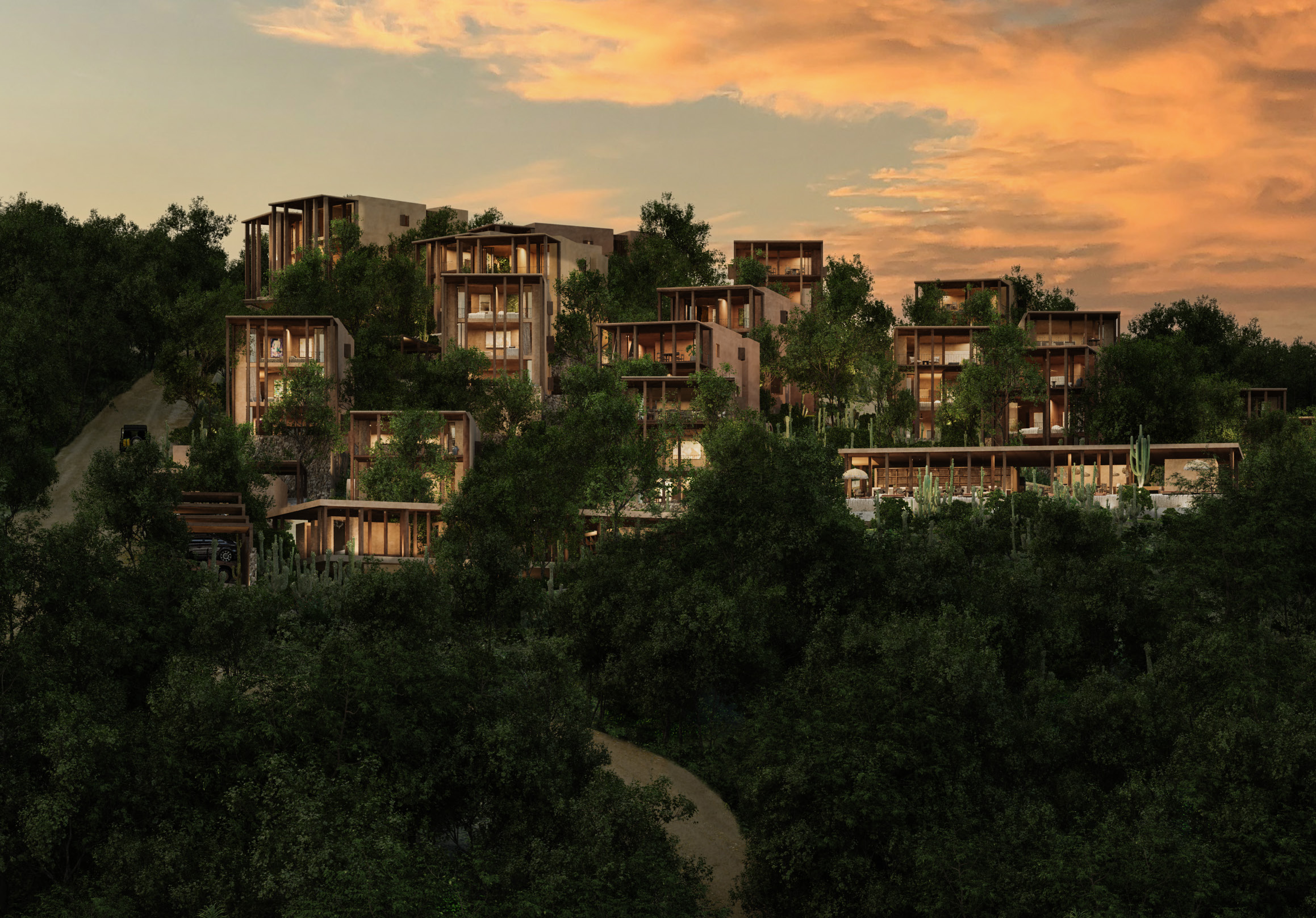
Bahía Salchi, Huatulco, Oaxaca
Benditas Villas de Salchi
Beach Villas
From USD $1,000,000
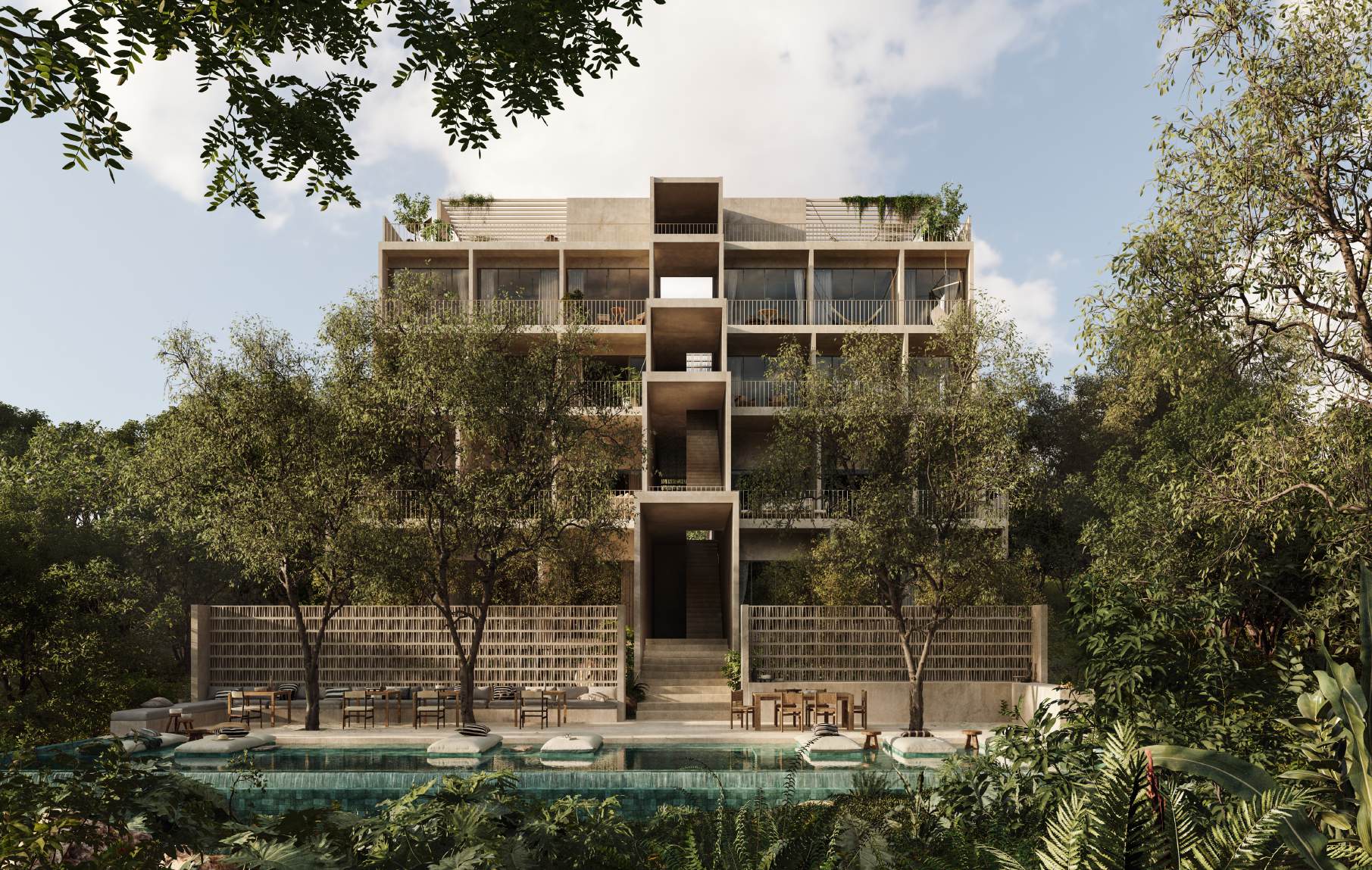
Residencial Conejos, Huatulco, Oaxaca
BB Residential
Residences above the Pacific
From USD $340,000
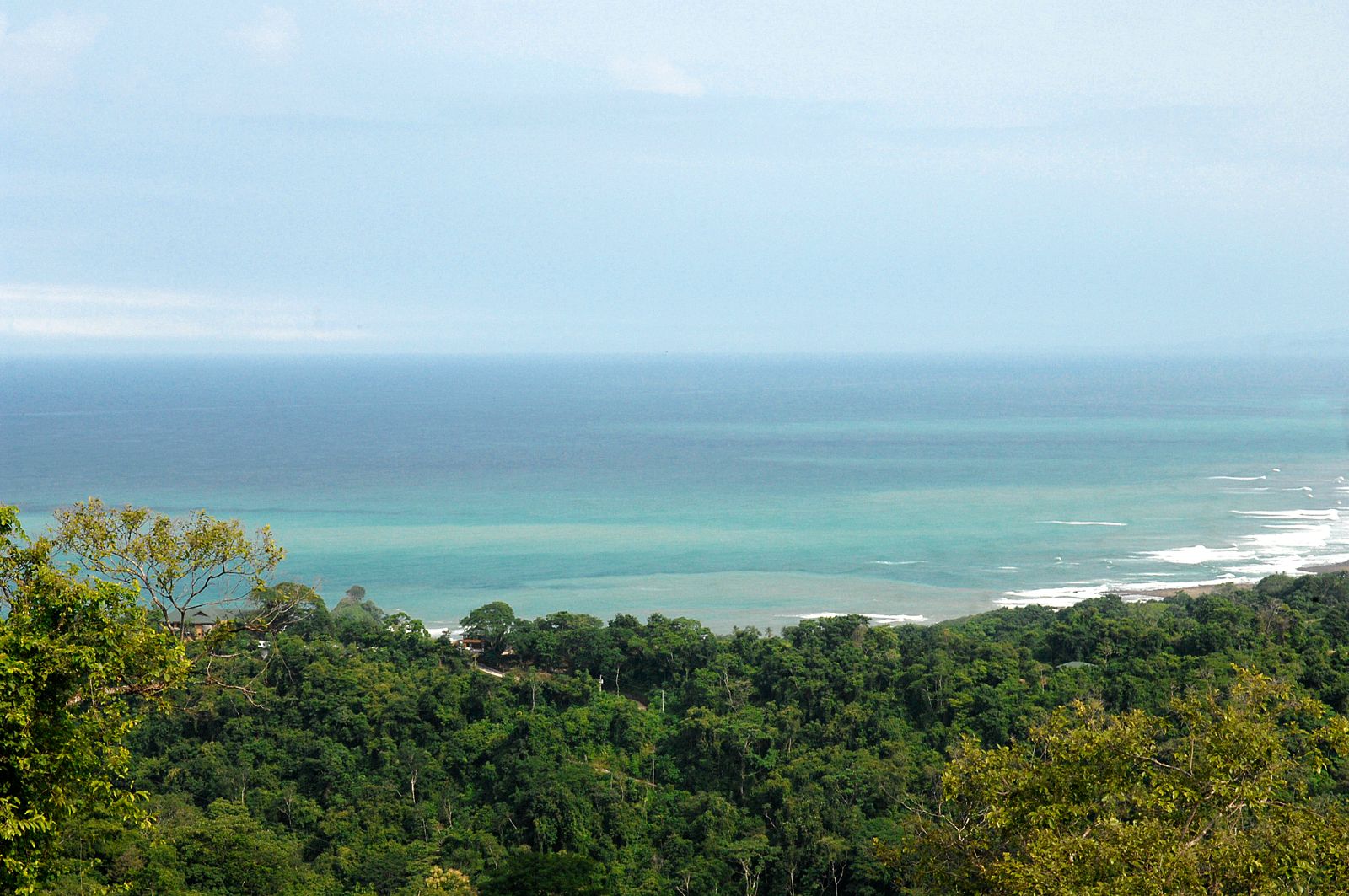
Malpaís, Nicoya Peninsula, Costa Rica
Star Mountain
Active Jungle Hotel
USD $20,000,000
Keep reading

Financing
Mexico Mortgage Rates 2026: How They Compare With US Rates
Mexico mortgage rates 2026: peso loans at 9.15%–13.25% and dollar loans at 10.0%–12.4%, vs. 7.40% in the US. Why, the currency risk and a worked example.
October 20, 2026 · 7 min read
Financing
Using a HELOC to Buy Property in Mexico: Costs and Risks
Using a HELOC to buy property in Mexico vs a cash-out refi or home-equity loan: October 2026 rates, the 80% limit, the Fed hike and the 3% mortgage math.
October 20, 2026 · 7 min read
Buying in Mexico
Buying Pre-Construction in Mexico: What to Check First
Buying pre-construction in Mexico: land title, permits, the developer's record, deposit protection, payment plans, contract clauses and the final balance.
October 20, 2026 · 8 min read