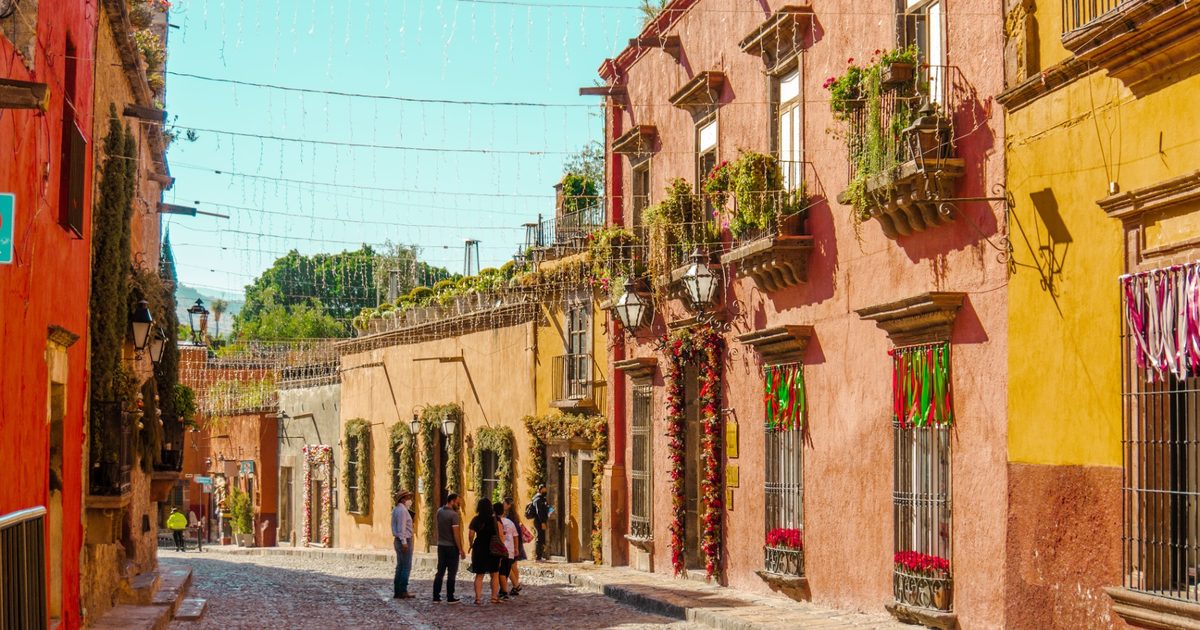
Buying in Mexico
10 Mistakes Buying Property in Mexico (and What to Do Instead)
October 20, 2026 · 7 min read · Vasto
In this article
Most mistakes buying property in Mexico happen before the deed is signed: land that isn't private property yet, a lien nobody checked, cash paid over the legal limit or a wire sent to the wrong account. Each one has a straightforward check. A notary you chose, a no-liens certificate, a phone call and a Mexican will cover most of them.
Below are ten, each with what to do instead and the document to request. If you're new to the process itself, start with how to buy property in Mexico as an American.
Mistakes buying property in Mexico, and what to do instead
1. Confirm the land is private property, not ejido
Ejido land belongs to an agrarian collective. Under the Agrarian Law (Art. 80), parcel rights can be sold only to other ejidatarios or residents (avecindados) of the same ejido. Before it can be sold to you, the parcel needs dominio pleno: approval by the ejido assembly with a special quorum, removal from the National Agrarian Registry (RAN) and titling in the Registro Público de la Propiedad.
The first sale after conversion gives family members, long-time workers of the land and ejidatarios 30 days to buy first. If they weren't notified, the sale can be annulled. Settlement and common-use land can't be sold at all, and title insurance isn't available for ejido property.
What to do: ask for the deed with its registry data and have the notary confirm the parcel left the agrarian registry. If a seller offers a certificate from the ejido assembly instead of a registered deed, treat the land as still in conversion and wait for the deed.
2. Get the no-liens certificate before the bulk of the money moves
The certificado de libertad de gravámenes, issued by the state registry, shows mortgages, embargoes or other claims on the property. In 2026 it costs MXN 470 in person (424 online) in Guanajuato and MXN 527.90 in Oaxaca, for five years of history. The seller should also show predial and water receipts paid to date.
What to do: write into the promesa de compraventa that the deposit is released only against a clean certificate.
3. Put the real price in the deed
Sellers sometimes ask to declare less to lower their own tax. The acquisition tax base is already the highest of the price, the fiscal value and an appraisal, so the saving is smaller than it sounds. If SAT's appraisal comes in more than 10% above the agreed price, the whole difference counts as taxable income for a foreign buyer, at 25%. A low purchase price also means a larger taxable gain when you sell, a point we cover in taxes on Mexican property for Americans.
What to do: deed the price you actually pay; it becomes your cost basis in Mexico.
4. Pay by wire, within the cash limit
Since July 2025, Mexico's anti-money-laundering law prohibits paying for real estate in cash (bills, coins, foreign currency or precious metals) at or above 8,025 UMA. In 2026 that's MXN 941,412.75, about USD 51,100, even if the cash is deposited at a bank. The notary records how the price was paid.
What to do: wire every payment from an account in your name and keep the confirmations for the notary. Wires from a US bank account also stay outside the 1% US remittance tax, which since January 2026 applies only to transfers funded with cash, money orders or cashier's checks.
5. Confirm wire instructions by phone
The moment payment instructions are sent by email is the moment a fraudster can change them. An email with "updated" bank details just before closing deserves a phone call.
What to do: before every transfer, call the notary or escrow company at a number you got in person or from their official site, and confirm the account holder's name and the 18-digit CLABE. Some buyers send a small test amount first and confirm it arrived before wiring the balance. If you use escrow, ask for proof of its insurance against errors, crime and cyber fraud. More in how to pay for property in Mexico from the US.
6. Match the house to its permits and the condo rules
What's built should match the deed, the cadastral record and the permits. In San Miguel's historic center, works also need authorization from INAH, the federal heritage institute. In San Miguel, a new water connection needs a feasibility letter from SAPASMA, the town utility, and pools and septic tanks need their own approvals. In a condominium, the reglamento sets the fees and can restrict short-term rentals.
What to do: ask for the construction license and approved plans, compare the built area in the deed and the cadastral record with what you see, and read the condo rules before you sign the promesa.
7. Name substitute beneficiaries in your fideicomiso
On the coast, a bank trust holds your home. The permit application names second-place and substitute beneficiaries, and trust law lets you name several people at once or in sequence. Naming them can simplify what your heirs go through, because the benefit passes under the trust contract.
What to do: name them at closing and review them when your family changes; the bank reports updates to SRE every April. We explain how in fideicomiso Mexico explained.
8. Sign a Mexican will for Mexican property
A US will is valid in Mexico in principle (Federal Civil Code Art. 1593), but it generally has to be recognized by a court before it can be used; in Mexico City, the law says that step is always judicial. A will signed before a Mexican notary (testamento público abierto) avoids it. Many notaries offer reduced fees in September, Mexico's will month.
What to do: sign a Mexican will covering your Mexican property and keep your US will for everything else, with each one referring to the other's scope.
9. On pre-construction, check permits and title before the deposit
Pre-sale deposits are often paid straight to the developer rather than held in escrow, and cross-border lenders don't lend until the building is finished.
What to do: ask for the deed showing the land in the developer's name, the construction license, and a promesa with a delivery date and what happens if it slips. Ask whether the deposit can go to an escrow account, which projects the developer has delivered, and how you'll pay the balance at delivery, since that's when a HELOC or a cross-border loan would come in. Our guide to buying pre-construction property in Mexico covers payment plans and delivery.
10. Budget closing costs for the municipality you're buying in
The flat "2%" quoted online doesn't hold. In 2026, the acquisition tax is about 2.1% in Puerto Escondido, 2% to 4% in San Miguel de Allende, up to about 5.2% in Huatulco's top bracket and about 5.94% in Amealco. On the coast, add the trust's setup fee.
What to do: ask the notary for a written estimate using the municipality's 2026 rate before you sign. The full breakdown is in the cost of buying property in Mexico.
The documents to request, and when
| Document | Who provides it | When |
|---|---|---|
| Deed with registry data | Seller | Before you make an offer |
| Certificado de libertad de gravámenes | Notary, from the Registro Público | Before the deposit is released |
| Predial and water receipts, paid to date | Seller | Before signing the promesa |
| Construction license and approved plans | Seller or developer | Before signing the promesa |
| Condominium rules (reglamento) | Administrator or developer | Before signing the promesa |
| Wire instructions, confirmed by phone | Notary or escrow company | Before every transfer |
| Substitute beneficiaries and a Mexican will | You, with the bank and the notary | At closing or right after |
Choosing your own notary ties most of these together. The buyer can usually pick one, and the notary is the person who checks title, calculates the taxes and registers the deed.
We go through these papers with buyers and their notary before the first offer. If you're considering a pre-sale such as Benditas Villas de Salchi in Huatulco, or a resale in San Miguel de Allende, write to us and we'll review the documents with you.
This guide is general information, not legal or tax advice. Confirm your case with a Mexican notary and a tax advisor.
Frequently asked questions
Sources
Updated October 20, 2026
What we chose

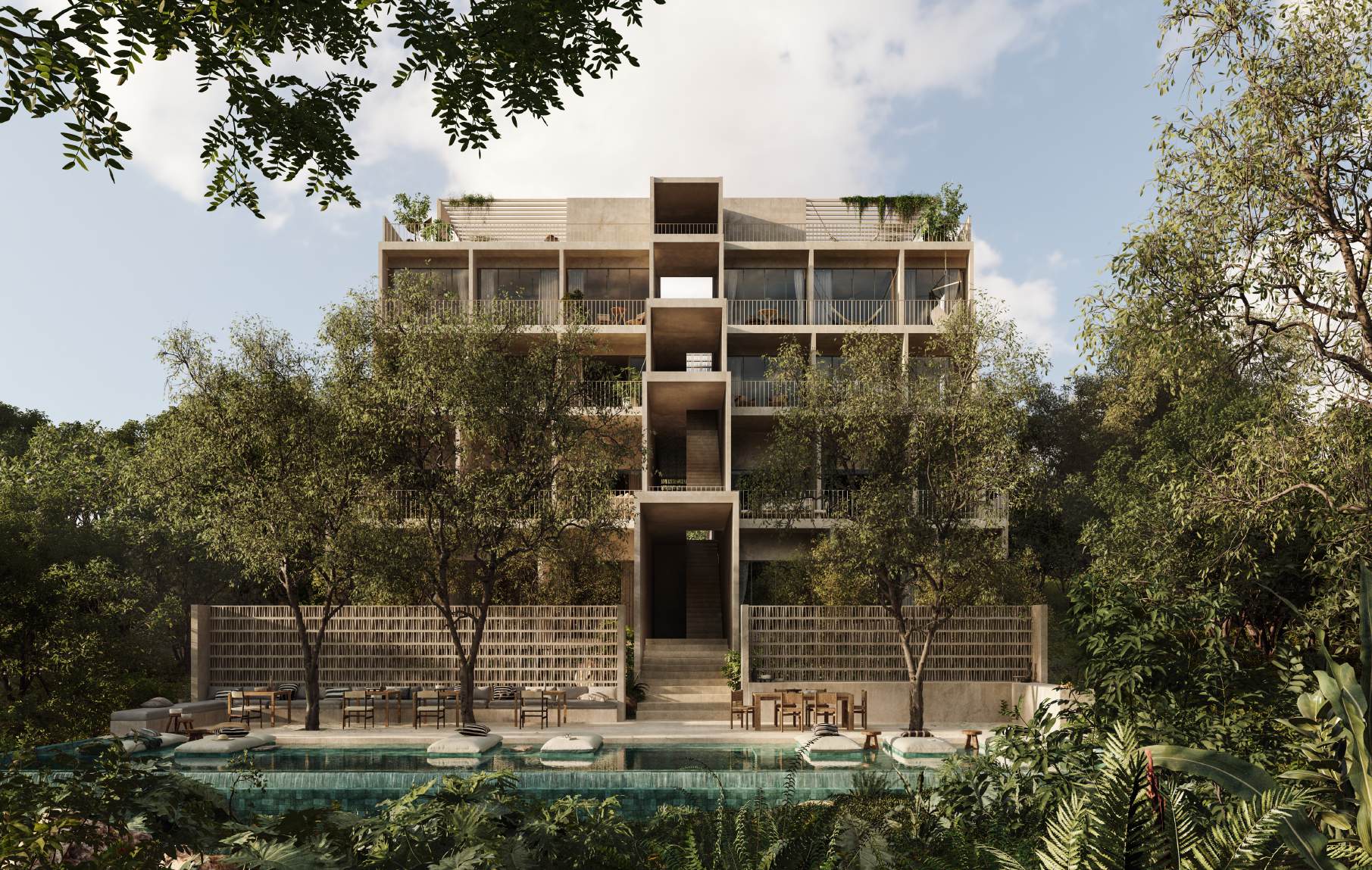
Bahía Salchi, Huatulco, Oaxaca
Benditas Villas de Salchi
Beach Villas
From USD $1,000,000
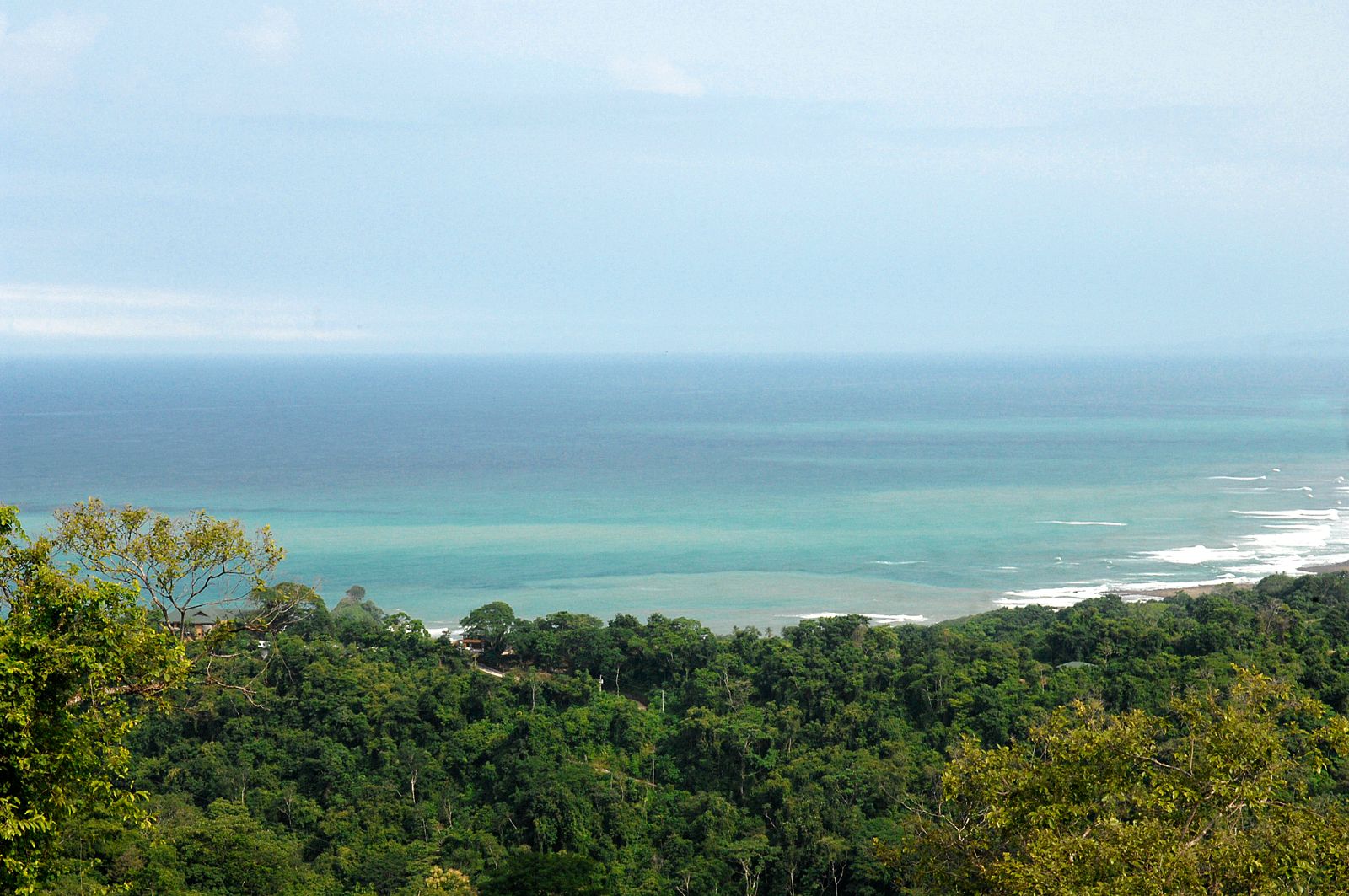
Residencial Conejos, Huatulco, Oaxaca
BB Residential
Residences above the Pacific
From USD $340,000
Malpaís, Nicoya Peninsula, Costa Rica
Star Mountain
Active Jungle Hotel
USD $20,000,000
Keep reading

Buying in Mexico
Buying Pre-Construction in Mexico: What to Check First
Buying pre-construction in Mexico: land title, permits, the developer's record, deposit protection, payment plans, contract clauses and the final balance.
October 20, 2026 · 8 min read
Buying in Mexico
Cost of Buying Property in Mexico: 2026 Closing Costs
The cost of buying property in Mexico in 2026: acquisition tax by town, notary, registry, trust fees and yearly costs, with a USD 500,000 worked example.
October 20, 2026 · 8 min read
Buying in Mexico
Fideicomiso Mexico Explained: How the Bank Trust Works
Fideicomiso Mexico guide: how the bank trust works on the coast, the 50-year term, SRE permit, bank fees, beneficiaries, selling and the IRS view.
October 20, 2026 · 7 min read